
Last updated September 10, 2026
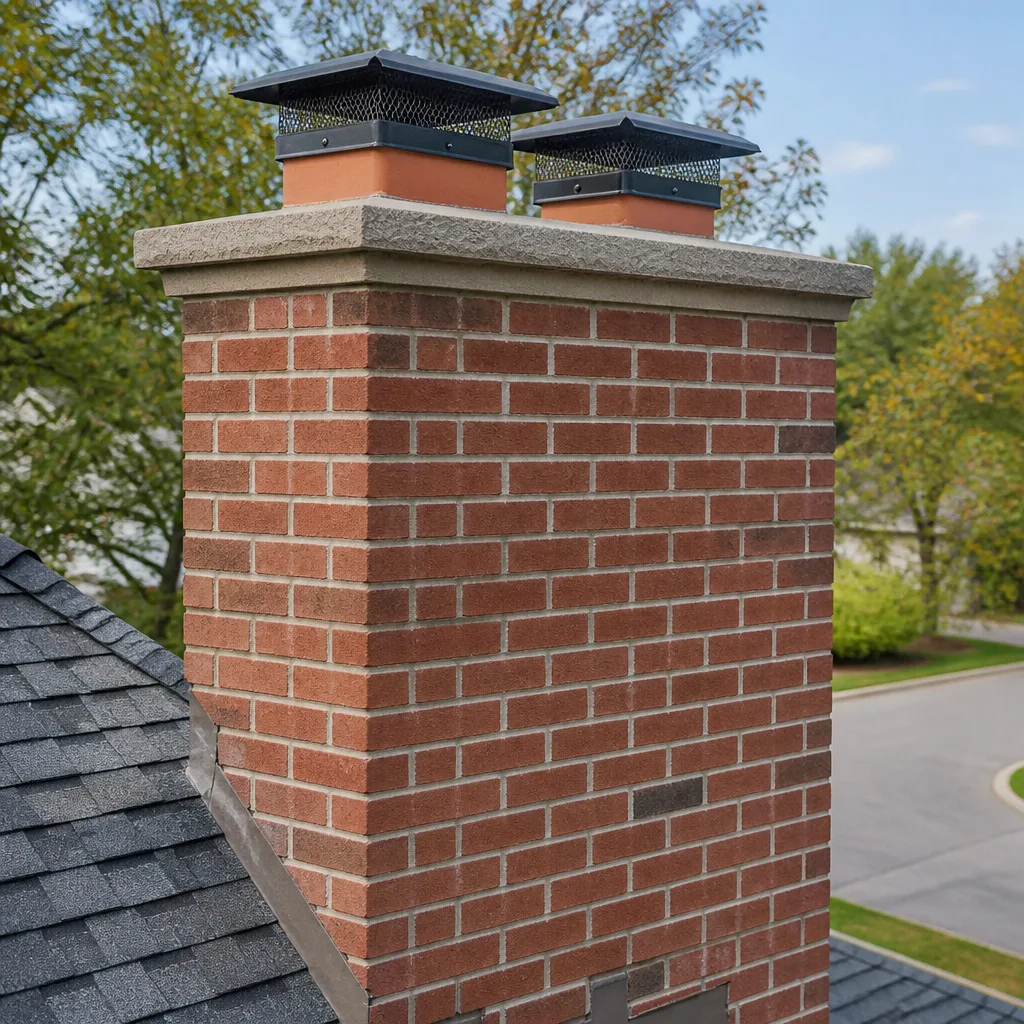
Level 1 sweep and inspection to the NFPA 211 annual standard - flue, crown, cap, and flashing checked and photographed
Chimney sweep logs do not sweep chimneys. They loosen some creosote - which then falls where a brush and vacuum still have to collect it.



 Before
 After
After Before
 After
After Before
 After
AfterSeasonal Chimney Cleaning Care for Fredericksburg: Year-Round Homeowner’s Guide
The worst time to discover your chimney damper rusted shut over the summer is the first cold night of October when you’ve already got a fire laid. In Fredericksburg, the humidity between May and September corrodes steel components faster than most homeowners expect, and by the time the temperature drops below 50 degrees, the October booking rush has already filled every reputable sweep’s calendar for three weeks. This guide is built around Fredericksburg’s actual weather patterns, not generic national advice. You’ll learn why a late-August inspection outperforms a pre-winter one, how our position between the Blue Ridge weather systems and the Chesapeake humidity corridor affects creosote buildup, and what specific tasks belong on your calendar each month.
Quick Answer
Homeowners in Fredericksburg should schedule a Level-2 camera inspection and sweep in late August or early September, perform spring shutdown tasks in April, and conduct mid-winter spot checks if burning more than four cords annually. Fredericksburg’s humid summers and hard shoulder-season swings create a maintenance calendar that’s earlier in fall and more attentive in spring than generic advice suggests. Following this schedule prevents rust damage, creosote fires, and expensive emergency repairs during peak burning season. For a detailed task breakdown, see our Chimney Cleaning & Sweep Maintenance Checklist for Fredericksburg Homeowners.
Table of Contents
- Why Fredericksburg’s Climate Changes Everything
- Fall Preparation: Late August Through October
- Winter Burning Season: November Through February
- Spring Shutdown: March and April
- Summer Protection: May Through August
- Month-by-Month Fredericksburg Calendar
- Common Mistakes to Avoid
- When to Call a Professional
- Frequently Asked Questions
- The Bottom Line
Why Fredericksburg’s Climate Changes Everything
Most seasonal chimney guides are written for a national audience and assume a Midwestern or New England climate. Fredericksburg sits in a narrow zone that doesn’t match either. We’re close enough to the Chesapeake Bay to absorb significant humidity, yet far enough inland to experience hard freezes and occasional Blue Ridge snow events. The Rappahannock River valley funnels moisture-laden air directly through our neighborhoods, from Falmouth to Spotsylvania Courthouse.
This matters for three concrete reasons.
First, summer humidity penetrates masonry at higher rates than in drier inland Virginia. We’ve opened dampers in September that were visibly rusted from June through August exposure, even in well-maintained systems. The steel components in a chimney, particularly the damper assembly and firebox hardware, don’t dry out thoroughly between humid days the way they might in Charlottesville or Richmond’s western suburbs.
Second, Fredericksburg’s burning season starts erratically. October can bring 80-degree days followed by 35-degree nights. Homeowners light first fires on impulse, often before scheduling maintenance. That first cold snap creates a surge of emergency calls, and the technicians who answer them are often the ones who weren’t busy for a reason.
Third, our freeze-thaw cycles in late winter and early spring accelerate spalling and crown deterioration. Water enters micro-cracks during warm rains, then expands when temperatures drop overnight. We’ve replaced more chimney crowns in Fredericksburg’s March-April period than in any other two-month window.
The standard advice, “sweep your chimney before winter,” is technically correct but practically incomplete here. In Fredericksburg, “before winter” means late August or early September, not October. And spring tasks, often omitted entirely in generic guides, are where we catch the moisture damage that would otherwise become fall emergencies.
Fall Preparation: Late August Through October
This is the critical window, and it’s earlier than most homeowners expect. By late August, the worst humidity has passed, but the damage it caused is now visible. Wasp and hornet colonies have reached maximum size. Creosote from the previous season has had months to harden into glazed deposits that require professional removal.
Here’s what a proper fall preparation includes in Fredericksburg:
- Level-2 camera inspection. We run a camera through the full flue length, document every surface with photos you can see, and deliver a plain-English verdict on what needs attention. In our experience, roughly 30 percent of Fredericksburg chimneys we inspect in this window show humidity-related deterioration that wasn’t present the previous spring.
- Mechanical sweeping of creosote deposits. Fredericksburg’s position between weather systems creates temperature inversions that can cause slower, cooler fires during shoulder-season burns. Cooler fires produce more creosote. A single season of weekend burning can generate enough deposit to warrant removal.
- Damper function test and lubrication. Rusted or sticky dampers are the most common late-summer finding. We clean the assembly, check for corrosion, and recommend replacement when the mechanism is compromised. A damper that won’t fully open creates smoke backup; one that won’t fully close bleeds heat all winter.
- Cap and crown inspection. Summer storms and humidity expose weaknesses. We check for spalling concrete, deteriorated mortar, and damaged screening that allowed animal entry.
- Firebox and smoke chamber evaluation. Cracked refractory panels or deteriorated parging in the smoke chamber are fire hazards that worsen with use. Identifying them before the first burn prevents structural damage and potential house fires.
The October rush is real. At Hearthstone Chimney Co., we answer calls with a live person 24 hours a day, but our appointment calendar for September and October typically fills by mid-August. Homeowners who wait for the first cold night often face a three-week delay or settle for an operator who happens to have availability for a reason.
Our $89 Seasonal Tune-Up, available through early September, includes the inspection, sweep, and damper service. The price is fixed upfront. The number on the estimate is the number on the invoice.
Winter Burning Season: November Through February
Once the season starts, maintenance doesn’t stop. It shifts to monitoring and, for high-use households, interim sweeping.
How much is too much burning? We consider any household burning more than four cords per season to be high-use in Fredericksburg’s climate. That typically describes homeowners who heat primarily with wood or who run a stove or insert daily from November through March. For these households, a single annual sweep is insufficient.
Creosote accumulation follows a non-linear pattern. The first cord of seasoned hardwood in a clean system produces minimal deposit. By the third and fourth cords, especially if any of the wood was slightly green or if fires were damped overnight, the buildup accelerates. We’ve removed glazed creosote in February from systems that were swept the previous August, where the homeowner burned five cords of mixed hardwood.
Mid-winter spot checks we recommend:
- Monthly visual inspection of the firebox. Look for new cracks in refractory panels, deteriorating mortar joints, or rust streaks indicating moisture entry from above.
- Draft behavior observation. Smoke lingering in the firebox, difficulty starting fires, or cold air dropping when the damper is open can indicate partial blockage or negative pressure issues common in tighter modern homes.
- Exterior check after ice or snow events. Fredericksburg’s occasional winter storms can damage caps or dislodge flashing. Visible gaps or new water stains on interior walls near the chimney breast require prompt attention.
- Odor detection. A strong, acrid smell when the system is not in use often indicates creosote buildup reaching dangerous levels or animal entry.
For high-use households, we recommend a mid-season inspection in January. This isn’t a full Level-2 camera inspection unless indicated, but a sweep and visual assessment of creosote accumulation. The cost is typically lower than the fall service, and it prevents the dangerous condition of attempting to burn through February with heavy deposits. For a full breakdown of regional pricing, read our Chimney Cleaning Cost Breakdown: The Fredericksburg Homeowner’s Reference for 2026.
We use professional-grade materials for any winter repairs that can’t wait until spring, including HeatShield for smoke chamber resurfacing and Olympia Chimney components for liner repairs. These aren’t builder-grade substitutes. They’re the products we trust to perform through Fredericksburg’s remaining freeze-thaw cycles.
Spring Shutdown: March and April
This is the most neglected season in chimney maintenance, and in Fredericksburg, it’s where we prevent the majority of fall emergencies. The combination of late-season burns, spring rains, and warming temperatures creates specific vulnerabilities.
Why spring matters here: Fredericksburg’s March and April bring frequent warm rains followed by overnight freezes. Water enters the chimney system through any compromised surface, then expands as temperatures drop. We’ve documented crown failures in April that were hairline cracks in October. The damage accelerates dramatically during this period.
Spring shutdown tasks:
- Final sweep of the season. Remove all creosote and ash deposits before humidity rises. Acidic ash combined with moisture accelerates corrosion of metal components and deterioration of masonry.
- Cap screen clearing of spring debris. Seed pods, pollen accumulation, and early leaf drop from Fredericksburg’s abundant oak and maple populations clog screens quickly. A blocked screen prevents proper draft and can force moisture into the flue.
- Damper protection. We recommend leaving the damper slightly open for summer ventilation, but first ensuring the mechanism is clean and protected. A light application of appropriate lubricant prevents the rust that seizes dampers by September.
- Moisture-related spalling inspection. We examine exterior masonry for face-brick spalling, mortar joint erosion, and crown deterioration. Early intervention with proper crown sealant or mortar repointing prevents structural repairs.
- Documentation of condition. Photos of the system’s state in spring create a baseline for comparison in fall. Homeowners who maintain this record can identify deterioration rates and plan for capital improvements.
In neighborhoods like Chatham Heights and the older sections of downtown Fredericksburg, we see accelerated mortar deterioration in chimneys from the 1920s through 1950s. The lime-based mortars used in that era are more susceptible to acid rain and freeze-thaw damage than modern Portland cement mixes. Spring inspection allows us to recommend repointing with appropriate historic mortars before fall burning resumes.
The spring booking calendar is typically more open than fall. We can schedule at your convenience, complete most jobs in a single visit, and deliver a written condition report with photos you can reference when budgeting for fall repairs.
Summer Protection: May Through August
Chimney maintenance in summer is largely preventive and observational. The system is not in use, but the forces acting on it don’t pause.
Humidity management. Fredericksburg’s summer humidity averages above 70 percent from June through August. In unconditioned chimney flues, this moisture condenses on cooler surfaces, particularly in systems with exterior walls on the north side of the house. The condensation combines with residual creosote acids to create an aggressive corrosion environment.
We recommend two specific summer actions:
- Maintain cap integrity. A properly fitted cap with intact screening is the primary defense against moisture entry. We inspect and replace caps using Gelco and Famco products, selected for durability in humid coastal-influenced climates.
- Monitor for animal entry. Squirrels, raccoons, and chimney swifts are active. Even with a cap, damaged flashing or deteriorated crown edges can allow access. Early summer removal is simpler and less distressing than discovering a nest in September.
Vegetation control. Overhanging branches deposit organic matter and provide access routes for animals. Summer trimming, when trees are fully leafed and access points are visible, is more effective than winter pruning.
Interior observation. Water stains on walls or ceilings near the chimney breast, musty odors, or efflorescence on interior masonry indicate moisture penetration that requires fall repair. Documenting these observations in summer allows for scheduled, non-emergency repair work.
The summer months are also the optimal time for major repairs or rebuilds. Chimney repair in Fredericksburg completed in June or July has months to cure and weather-test before the burning season. Our 90-Day Done Right Promise applies to all summer work, and if any issue emerges, we make it right in writing, with no arguing.
Month-by-Month Fredericksburg Calendar
This calendar is anchored to Fredericksburg’s actual frost dates and burning patterns, not national averages. Our average last frost falls in mid-April; first frost typically arrives in late October. The burning season runs roughly November 1 through March 31, with significant variation based on individual preference and heating system.
| Month | Primary Task | Why This Timing |
|---|---|---|
| January | Mid-season sweep for high-use households (4+ cords) | Creosote accumulation accelerates; prevent glaze formation |
| February | Exterior inspection after ice events; monitor for spalling | Freeze-thaw damage peaks; early identification saves structure |
| March | Schedule spring shutdown sweep | Calendar opens; complete before humidity rises |
| April | Spring shutdown: sweep, cap clearing, spalling inspection | Post-last-frost; prevent summer moisture damage |
| May | Cap integrity check; vegetation trimming | Pre-humidity; address animal access before breeding season |
| June | Interior moisture observation; plan major repairs | Optimal curing weather for masonry; schedule at convenience |
| July | Execute planned repairs or rebuilds | Maximum drying time before fall; our most available month |
| August | Schedule fall inspection (critical booking window) | Calendar fills by mid-month; humidity damage now visible |
| September | Level-2 inspection, sweep, damper service | Pre-burning season; wasp colonies at peak; rust evident |
| October | Emergency repairs only; calendar typically full | First cold snaps begin; avoid this rush if possible |
| November | First burns; monitor draft and odor | Season begins; establish baseline performance |
| December | Continued monitoring; watch for holiday overuse | High-use period; creosote accelerates with frequent fires |
This calendar assumes a standard wood-burning fireplace or stove. Fireplace services in Fredericksburg for gas inserts, pellet stoves, or historic coal-converted systems follow modified schedules we can discuss during your inspection.
Common Mistakes to Avoid
- Waiting for October to schedule. By the time Fredericksburg’s first cold snap arrives, reputable sweeps are booked three weeks out. The August booking secures September service and prevents emergency rates or settling for unvetted operators.
- Skipping spring shutdown. Ash and creosote residue combined with summer humidity creates acidic corrosion that damages metal components and masonry. The fall sweep removes hardened deposits that could have been prevented.
- Burning unseasoned wood. In Fredericksburg’s humidity, even properly stored wood can absorb moisture. Wood with more than 20 percent moisture content produces significantly more creosote. We recommend a moisture meter and minimum 12-month seasoning for local hardwoods.
- Ignoring wasp nests in summer. Paper wasps and hornets build extensively in Fredericksburg’s protected chimney environments. A nest discovered in September often means the flue is partially blocked. Summer cap inspection prevents dangerous fall discoveries.
- Assuming no burning means no maintenance. Gas fireplaces and unused chimneys still require inspection. Moisture damage, animal entry, and structural deterioration proceed regardless of use.
- Accepting inspections without documentation. Verbal assessments without photos leave you dependent on the technician’s description. Our Level-2 inspections include photos you can see and a written verdict you can reference.
- Using the wrong repair materials. Standard Portland cement on historic Fredericksburg masonry accelerates deterioration. Crown repairs require appropriate flexible sealants; flue repairs require listed chimney products, not generic hardware store substitutes.
When to Call a Professional
Certain conditions require immediate professional evaluation and should not wait for scheduled maintenance. These include visible smoke entering living spaces, strong odors during non-use indicating animal presence or severe creosote buildup, water actively entering the system during rain, cracked or displaced flue tiles visible from the firebox, and any chimney fire event, however brief.
For routine maintenance, we recommend establishing a relationship with a sweep who knows your system. Hearthstone Chimney Co. maintains records of every inspection and repair for our Fredericksburg clients, allowing us to track deterioration rates and recommend interventions before emergencies develop. We offer free estimates, and a live person answers our phone at (540) 596-5531 every hour of every day. Most jobs are completed in a single visit, with no-hassle upfront pricing.
Frequently Asked Questions
A standard Level-2 camera inspection and sweep in Fredericksburg typically ranges from $200 to $350, depending on system accessibility, creosote condition, and whether the flue is lined or unlined. Local regulations may also apply-see Chimney Cleaning Permits, Codes & Inspections in VA: What You Need to Know for details. Our $89 Seasonal Tune-Up, available through early September, includes inspection and sweep for standard fireplace systems. We provide exact pricing before booking, and the estimate number matches the invoice. Call (540) 596-5531 for a free estimate.
The National Fire Protection Association recommends annual inspection for all systems, and sweeping as needed based on deposit accumulation. In Fredericksburg’s climate, we find most wood-burning systems require annual sweeping, and high-use households burning more than four cords need a mid-season inspection. Humidity and our specific burn patterns make the annual minimum more critical here than in drier inland regions.
Not always. Liners are recommended when the existing flue is unlined clay tile that’s cracked or deteriorated, when converting fuel types, or when the chimney was built without a liner and shows signs of leakage or poor draft. We never recommend liner replacement without camera documentation you can see yourself. Many systems we inspect in Fredericksburg’s historic neighborhoods operate safely with intact original clay tile. When replacement is necessary, we use DuraFlex and Olympia Chimney products with a written installation guarantee.
Deferred maintenance leads to three predictable outcomes: creosote accumulation increases fire risk, moisture damage progresses to structural repairs costing thousands, and minor component failures become emergency replacements at premium rates. In Fredericksburg specifically, we’ve seen humidity-damaged dampers seize completely, requiring firebox disassembly to replace. A $200 sweep prevents a $1,200 damper replacement. Call (540) 596-5531 to schedule before small problems compound.
August and early September allow inspection of summer humidity damage before it’s compounded by first fires, removal of wasp and hornet colonies at their peak, and scheduling before the October rush fills calendars. The work is identical, but the timing prevents the emergency conditions that develop when problems are discovered on the first cold night. Fredericksburg’s specific climate makes this pre-season window more valuable than in drier or more northern markets.
Homeowners can and should perform visual checks of the firebox, damper operation, and exterior cap condition. However, flue interior evaluation requires specialized camera equipment and training. Creosote glaze, cracked flue tiles, and deteriorated mortar joints are not visible from the firebox opening. We document every inspection with photos and a plain-English verdict so you understand your system’s condition without relying on our description alone.
The Bottom Line
Fredericksburg’s chimney maintenance calendar runs earlier than generic advice suggests: late August and early September for fall preparation, not October; March and April for spring shutdown, not “whenever you remember”; and January for high-use households who need mid-season attention. The humidity that makes our summers uncomfortable makes our chimneys vulnerable. The freeze-thaw cycles of our shoulder seasons accelerate damage that dry climates don’t experience. Following a Fredericksburg-specific schedule prevents the rusted dampers, wasp blockages, and moisture deterioration that dominate our emergency calls. For more guides & resources tailored to local homeowners, visit our blog.
We’ve served local communities for over 42 years, and we plan to be here for thirty more. That perspective shapes how we work: documented inspections, upfront pricing, materials we trust, and a 90-Day Done Right Promise in writing with no arguing. Done right, and we stand behind it.
Call (540) 596-5531 for a free estimate. A live person answers, 24 hours a day, every day.
Written by Russell Haines, Owner at Hearthstone Chimney Co., serving Fredericksburg since 2014.